





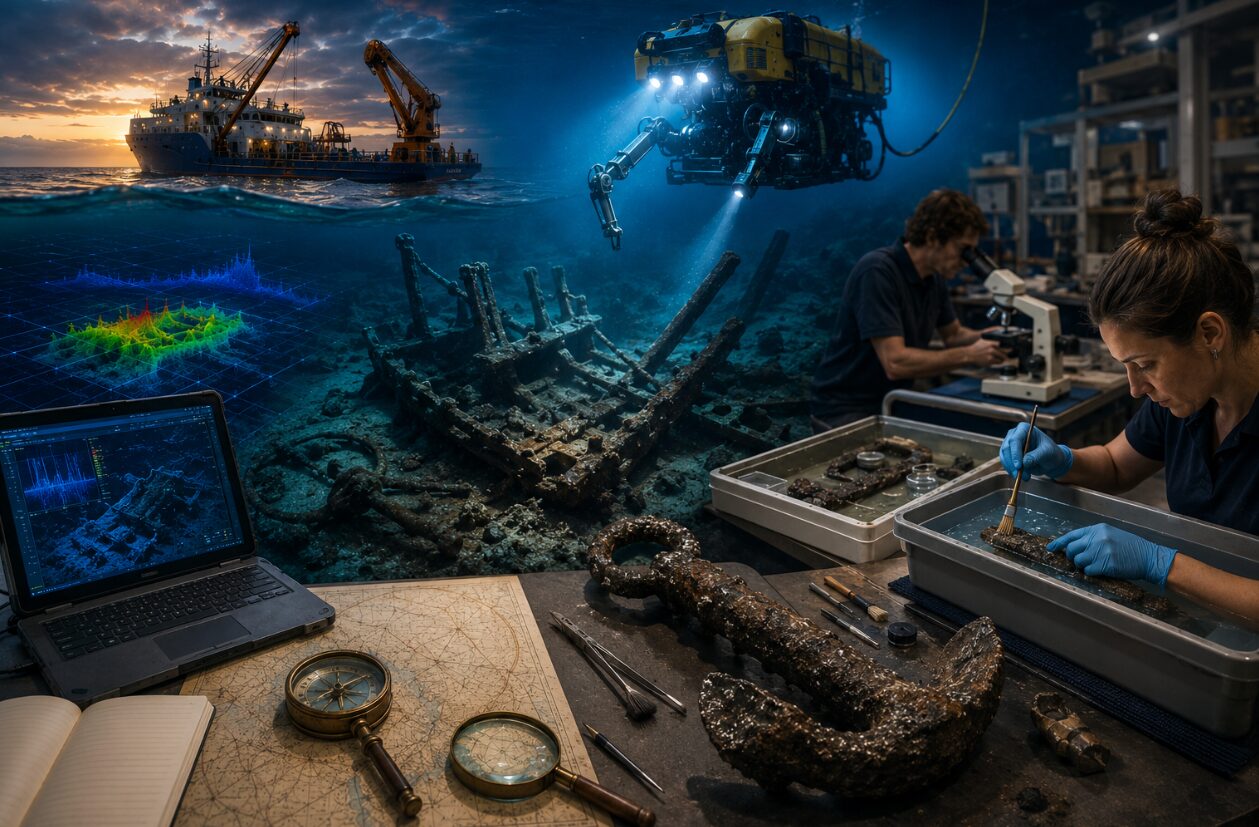
Deep-sea exploration continues to provide incredible physical evidence of historical trade, migration, and global conflicts. When exploration teams uncover these undisturbed underwater sites, they reveal crucial details about human history. However, the process of bringing these items to land often creates intense debates over cultural identity.
Managing the Tracking of Subsea Archaeological Sites
Locating centuries-old shipwrecks involves cross-referencing old shipping charts, running sonar arrays, and utilizing skilled dive teams. Technicians search for specific shapes on the seabed that indicate the presence of old wooden structures or iron anchors. The items saved from these locations provide undeniable proof of early maritime movements.
Balancing Academic Research and Commercial Goals
The final destination of salvaged historical assets can cause significant friction between commercial operations and public museums. Cultural groups aim to keep complete collections together so they can be studied as a whole by the public. Resolving these deep ownership issues requires strict compliance with international preservation guidelines.
The intense focus on the Black Dive Expedition Controversy highlights the absolute necessity of transparency in marine archaeology. Experts state that diving operations must actively include the voices of communities whose histories are directly linked to the sites.
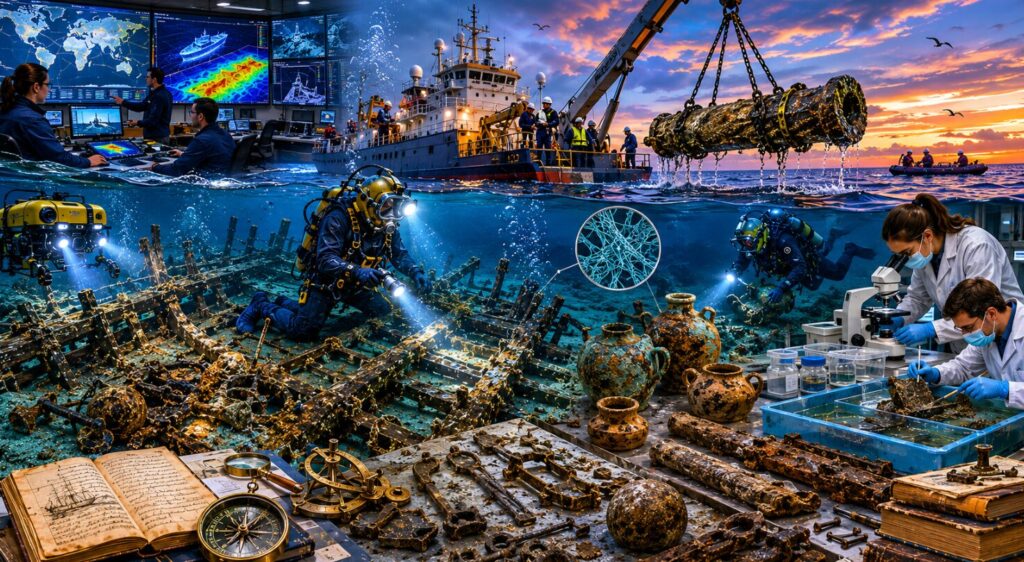
- Archival shipping log historical tracking
- Marine magnetometer metal anomaly readings
- Atmospheric diving suit depth operations
- Microscopic tracking of salvaged fibers
Protecting Fragile Submerged Metals from Rapid Decay
Iron artifacts experience massive chemical changes when buried in saltwater environments for long periods. The resulting thick layers of rust and mineral crust require highly delicate mechanical and chemical cleaning. Specialists use targeted chemical washes to safely strip away these crusts without altering the maker marks.
Conclusion
Bringing historical maritime artifacts to the surface provides great educational opportunities alongside significant ethical responsibilities. Protecting these rare links to the past requires international cooperation and a commitment to open education. Prioritizing cultural equity ensures that these unique historical narratives remain intact for future generations.